Variety
How can color, texture, and familiar ingredients make a meal generous? Variety can come from local produce, grains, legumes, herbs, and different ways of preparing the same ingredient.
Explore balanced eating through familiar ingredients, shared meals, hydration, and the pleasure of preparation. Food choices are shaped by culture, budget, access, appetite, household routines, and personal guidance.
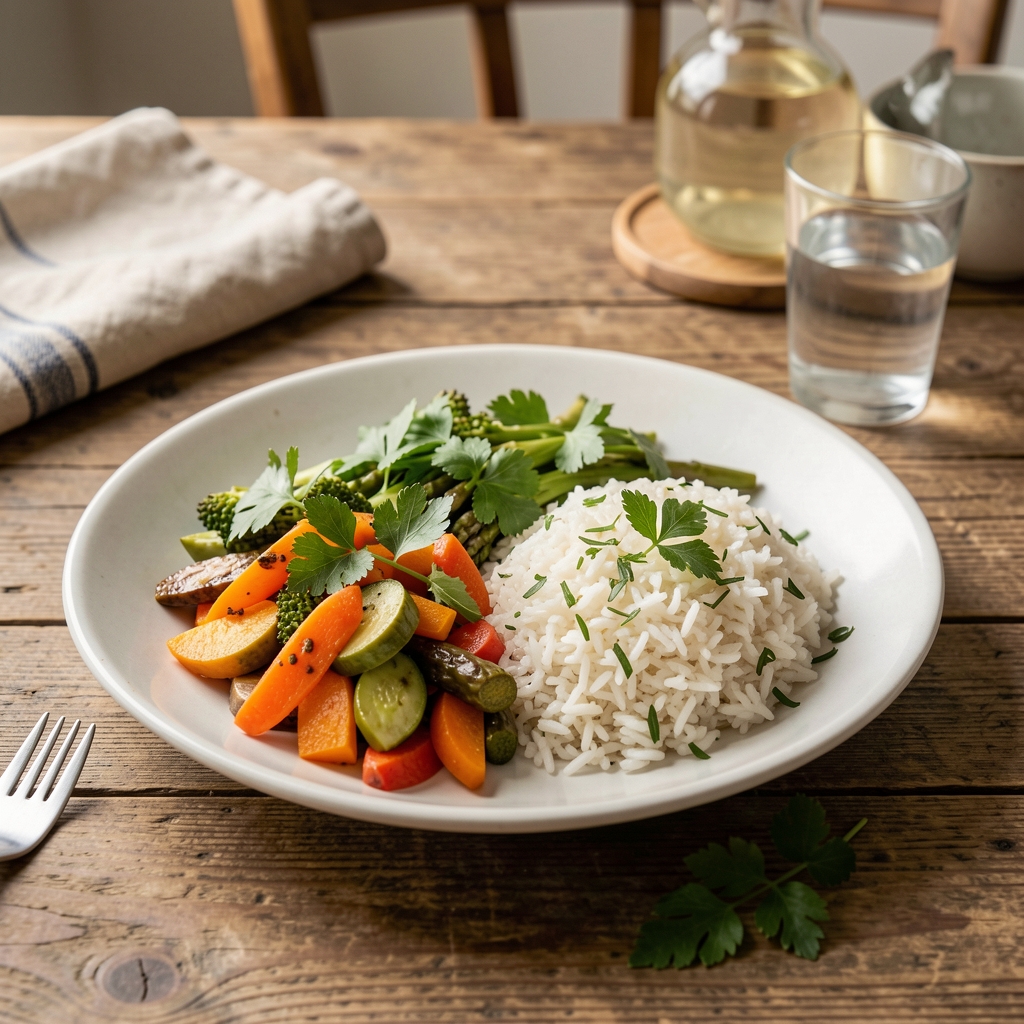
There is no single household pattern that fits every person. A useful conversation looks at what is available, enjoyable, culturally familiar, and practical to prepare. It also leaves room for individual needs that require qualified guidance.
How can color, texture, and familiar ingredients make a meal generous? Variety can come from local produce, grains, legumes, herbs, and different ways of preparing the same ingredient.
Which meal patterns support your actual schedule and social life? A plan should acknowledge work, travel, family meals, appetite, and the time available for preparation.
What makes eating feel connected rather than transactional? Shared cooking, a calm table, and recipes with personal meaning can influence the experience of a meal.
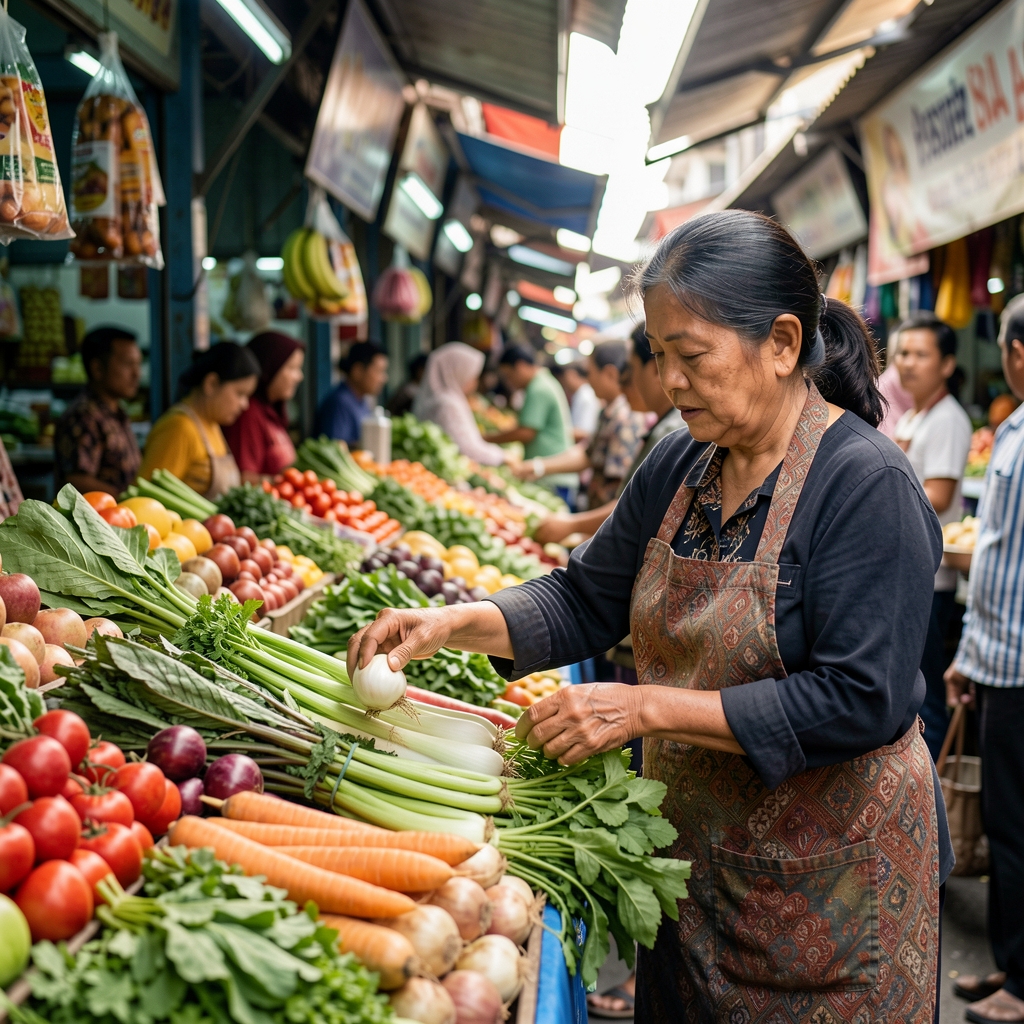
Indonesian kitchens offer a wide vocabulary of grains, vegetables, legumes, herbs, and shared dishes. General guidance should leave space for budget, tradition, appetite, and household routines. The market, home kitchen, and family table each contain knowledge that a generic list may miss.
| Planning lens | Question | Example |
|---|---|---|
| Availability | What is fresh and accessible nearby? | Choose market vegetables, rice, beans, herbs, and fruit in season. |
| Preparation | What can be prepared with the time available? | Wash and portion ingredients before the busy part of the day. |
| Social life | How does the meal fit the household? | Share a base dish while allowing different additions. |
| Enjoyment | What makes the table inviting? | Use texture, colour, familiar flavours, and time to talk. |
A nourishing food culture includes practicality, pleasure, and respect for difference.
No. Balance depends on culture, availability, personal circumstances, and the pattern across time rather than a single plate.
Familiar foods can make planning more realistic and preserve the knowledge already present in a household or community.
When a personal question, ongoing concern, or specific requirement cannot be answered by general editorial information.
Meals are shaped by more than information. Price, transport, storage, cooking equipment, family preferences, time, and local availability all influence what reaches the table. A realistic food conversation respects those conditions instead of treating them as a lack of effort.
Planning can also preserve flexibility. Keep a few ingredients that combine in different ways, prepare one component ahead when convenient, and invite household members to describe what they enjoy. If an individual question is specific or ongoing, general editorial material should give way to qualified personal guidance.